
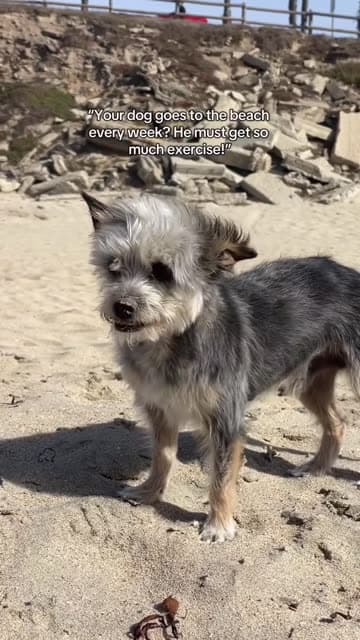
Southern California gives dog owners a rare everyday luxury: the beach as a real option, not a once-a-year field trip. Salt air, open space, and room to move can scratch itches that neighborhood sidewalks never quite reach. For many dogs, beach time is enrichment, exercise, and novelty wrapped into one outing.
That said, beach days are only great when they match the dog in front of you. Some dogs light up at the waterline. Others find surf sound, crowds, or unstable sand overwhelming. This piece covers why beach outings can be so good, how to set them up well in SoCal, what Fitdog beach excursions aim to do, and how to tell when the beach is not your dog's place.
What the beach offers that a normal walk does not
A typical leash walk is linear and predictable. The beach changes the sensory picture. Wind carries smell in wider patterns. Footing shifts. There is often more lateral space to move, sniff, and choose a path. For dogs that enjoy it, that variety works the nose and body together.
Water play adds resistance and novelty for dogs that like wading or swimming. Even dogs that never swim can enjoy wet sand textures and the chance to investigate kelp, footprints, and tide lines from a safe distance. The key word is enjoy. Novelty without choice can tip into stress.
Beach outings also create shared calm afterward for a lot of households. A dog that has sniffed hard and moved freely often settles better at home than a dog that only did a tight sidewalk loop while rehearsing reactivity. Again, dose and fit matter more than the postcard version of the day.
Compared with a repetitive fetch session in a small yard, beach movement tends to include more natural starts and stops: sniff, trot, look, wade, check in. That variety can satisfy busy dogs without drilling one behavior until everyone is fried.
SoCal specifics worth planning around
Local beaches vary by rules, crowds, surf strength, parking stress, and how dog-friendly the culture feels on a given morning. Always check current leash rules and seasonal restrictions before you go. What was fine last month may change with local ordinances or beach conditions.
Mornings are often kinder: cooler sand, fewer bodies, easier parking, and a better chance at personal space. Midday summer sand can get hot. Bring fresh water every time. Ocean water is not drinking water, and salt can increase thirst. Pack a towel, waste bags, and a rinse plan for sand and salt before your dog loads into the car or rolls across your sofa.
Watch the surf. Gentle shore break is different from rough water with a strong pull. Even confident dogs can get tumbled. Keep first water entries optional and shallow. If your dog is unsure, let them stay on damp sand and explore at their pace.
Wildlife, broken shells, discarded food, hooks, and litter show up more than people expect. Supervise closely. If your dog scavenges, use a shorter leash near picnic zones and trash cans.
Parking lots and beach paths can be their own adventure. Scooters, strollers, bikes, and sudden greetings appear fast. Give your dog space to take it in before you ask for polished manners at the waterline. A two-minute decompress sniff near the car is not wasted time.
Physical and mental benefits when the fit is right
For dogs that like the environment, beach time can build confidence through successful exposure to new footing and sounds. It can burn energy through natural movement rather than repetitive fetch alone. Sniffing along a tide line is legitimate work. So is learning to check in with you around mild distractions.
Socially, some beaches offer chances to see other dogs at a distance without forcing face-to-face greetings. That kind of parallel existence can be useful for dogs learning public manners. Direct play with unfamiliar dogs should stay thoughtful and consensual, not automatic.
Recovery still belongs in the plan. Sand running is harder than it looks. Long unstructured chase sessions can leave dogs sore, overheated, or too amped to settle. Build in shade or car-adjacent cool-down breaks, especially in warmer months.
If your dog is athletic and beach-obsessed, alternate hard beach days with quieter recovery days. Joints, pads, and brains all need the off day. Puppies should not be asked for endless soft-sand galloping; growing bodies need kinder volumes. Seniors may love the smells and still need shorter total time on their feet.
How Fitdog approaches beach excursions
Fitdog beach excursions are about supervised adventure with an eye on the individual dog, not a free-for-all photo op. Teams watch energy levels, social comfort, heat, and whether a dog needs a quieter zone away from the busiest strip of sand. Some dogs thrive with more movement. Others do better with shorter water exposure and more sniffing time.
If your dog joins beach adventures through Fitdog, share what you know: whether they love water, fear waves, scavenge on sand, get overwhelmed in crowds, or need slower introductions. That information helps staff shape the outing instead of guessing.
Beach days through a care provider should still follow the same common-sense rules you would use yourself: fresh water, attention to temperature, respect for local rules, and a ride home that does not leave a sandy, overstimulated dog unsupported. The point is a good day in the dog's body, not just a good caption.
Skills that make beach days easier
A few home and neighborhood skills transfer beautifully to the coast:
- A reliable check-in when you say their name
- A comfortable stop or sit for leash clips and rinsing
- A solid leave-it for dead fish, dropped food, and mystery trash
- Practice walking past other dogs without mandatory hellos
- A settle on a towel for water breaks and sunscreen-and-human delays
Practice those skills in easy places first. The beach is a hard classroom. If your dog's leave-it is shaky on the sidewalk, it will not magically improve beside a picnic blanket.
Not every dog enjoys the beach, and that is okay
Some dogs dislike unstable footing. Some find wave noise aversive. Some are worried by crowds, umbrellas, skateboarders on the path, or other dogs erupting into play. A dog that freezes, hides behind your legs, refuses food they normally take, paces without exploring, or shuts down is communicating. Pushing them closer to the water for the sake of the plan is not training. It is flooding.
There are middle paths. Stay farther from the surf. Come at off hours. Keep sessions tiny. Pair distance with easy treats and choice to retreat. If your dog still hates it after kind introductions, choose other adventures. Trails, quiet neighborhood sniff walks, and structured play at home are not lesser lives.
Puppies and newly adopted dogs deserve extra patience. A first beach should be short and boringly successful. Seniors and dogs with joint issues may prefer firm wet sand near the waterline over deep soft sand. Dogs with ears prone to issues may need careful drying and veterinary guidance about water exposure. Ask your vet if your dog has medical vulnerabilities.
Rescue dogs with unknown water histories may need especially gradual introductions. Do not assume enthusiasm equals safety. A dog can love chasing waves and still make poor choices about distance and fatigue.
A simple beach-day setup that works
Before you leave:
- Check rules, tide feel, and heat
- Pack fresh water, bowl, bags, towel, and shade plan if you will linger
- Bring a leash setup you can manage in wind
- Decide on a time cap before excitement makes you stay too long
On arrival:
- Let your dog decompress and sniff before cueing big play
- Keep early water contact optional
- Interrupt scavenging early
- Watch for overheating and over-arousal
Afterward:
- Rinse salt and sand, especially paws and coat
- Offer water and rest
- Check paws for cuts or tar
- Give the evening a quieter shape so sleep can happen
If your dog comes home itchy, scooting, or shaking their head repeatedly after beach trips, call your veterinarian. Sand, salt, and allergens affect dogs differently, and home rinses are not a substitute for medical care when something looks off.
Making beach days sustainable
The best beach habit is repeatable, not epic. Regular shorter visits often teach more comfort than rare marathon days. Rotate beaches or entry points if one location is always packed. Keep your recall and check-ins strong in lower-distraction places so you have them when a cyclist or off-leash dog appears.
Build a tiny family checklist and reuse it. The more automatic the logistics become, the more attention you can give your dog's actual experience. That is where beach days earn their reputation.
If you share life with a dog who loves the coast, beach days can become one of the sweetest parts of SoCal dog ownership. Open space, real sniffing, and movement that does not feel like a drill are hard to beat. Just let your dog vote with their body language, plan for heat and water logistics, and treat the outing as care rather than content. Fitdog's version of beach time follows that same idea: adventure with supervision, and enough sense to keep the day good for the actual dog on the leash.