
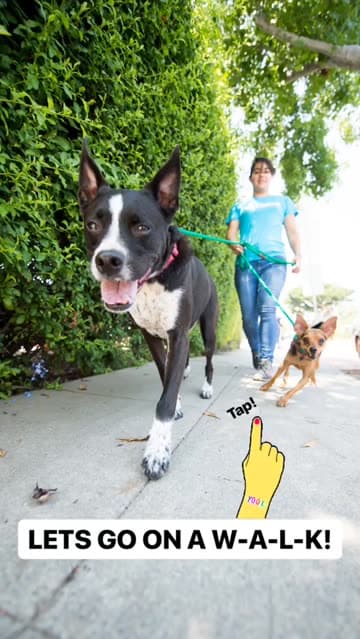
Los Angeles summers look easy from a distance. Soft coastal haze, late sunsets, patio dinners, and dogs on every sidewalk. Under that easy vibe, though, heat stacks up faster than many owners expect, and dogs feel it differently than we do.
This is a practical summer plan for LA dog life: safer timing, pavement checks, hydration, rest, transport, and the early warning signs worth taking seriously. Every dog is different. What works for a young, fit lab on the Westside may be too much for a brachycephalic dog, a senior, or a pup still building stamina. If your dog has a medical condition, ask your veterinarian before you change exercise intensity in hot weather.
Why LA heat can be deceptive
LA heat is often dry, bright, and interrupted by a cool ocean breeze. That breeze can trick you. A short morning walk may feel mild on your face while asphalt and concrete have already stored enough heat to bother paws. Inland neighborhoods run warmer than beach cities. Even within a few miles, shade cover, tree canopy, and reflective surfaces change how hot a route feels.
Dogs cool mainly through panting and limited paw-pad evaporation. They carry a fur coat that works differently than human clothing. A dog that seems fine at the start of a walk can tip into overheating later, especially if the pace is upbeat, the route has little shade, or water breaks are skipped.
Another LA-specific trap: weekend "make-up" activity. If weekday schedules are short, owners sometimes pack Saturday with a long hike, beach time, and errands in one stretch. That stacking raises heat load. Spread activity out. Shorter sessions with recovery between them usually treat dogs better than one heroic outing.
Morning marine layers can also mislead. A gray start does not guarantee a cool afternoon. Build flexibility into plans so you can shorten or shift activity if the day clears into full sun.
Choosing safer activity times
Aim for early morning and later evening whenever you can. In many LA neighborhoods, that means before the pavement has absorbed several hours of sun, and after the worst of the afternoon glare has passed. Midday sidewalks, parking lots, and dog-park asphalt are the riskiest surfaces for both heat and paw discomfort.
Build a simple habit: check the forecast, then check the route. Cloud cover helps, but reflected heat from buildings and cars still matters. If you work from home, split walks into two or three shorter outings instead of one long midday loop. If you rely on a midday dog walker, ask for shaded routes and confirm water is available.
For higher-energy dogs, mental work can replace some physical intensity on the hottest days. A sniff walk at a slower pace, a short training session indoors, or a food puzzle after a brief outdoor potty break can take the edge off without adding heat stress.
Keep a loose seasonal calendar. Late July and August often ask for more conservatism than early June. Special events, patio hangs, and longer social visits can wait for cooler hours without turning your dog's whole summer dull.
Checking pavement before you commit
Paw pads are tough, but they are not invincible. Hot pavement can burn, and even warm pavement can become uncomfortable on longer walks. The classic hand test still helps: press the back of your hand on the surface for several seconds. If it is too hot for you to hold comfortably, it is too hot for a long walk.
Test more than one surface. Sidewalk, dark asphalt, light concrete, metal utility covers, and rubberized park paths heat differently. A shady park path may be fine while the sun-facing street you used to get there is not. Consider booties for dogs that tolerate them, and keep sessions shorter when surfaces are warm even if air temperature seems moderate.
Watch for limping, licking paws, sudden reluctance to walk, or seeking shade mid-route. Those are stop signals, not stubbornness. If you notice pad cracks or blister-like injuries, call your veterinarian for guidance on care and activity limits.
Hydration and planned rest
Bring water even for "just a quick walk." Offer drinks before you leave, during longer outings, and again when you get home. Some dogs drink eagerly; others need encouragement, especially if they are excited. A portable bowl beats relying on shared park fountains alone.
Rest is part of the plan, not a reward you give only when a dog looks tired. Pause in shade. Let panting settle. Avoid stacking intense play immediately after a warm walk. At home, set up a cool resting spot away from direct sun through windows, with airflow and fresh water.
Do not force large amounts of water all at once if a dog seems distressed. Offer water, move to shade or air conditioning, and contact a veterinarian promptly if you suspect heat illness. Cool water is helpful; extreme ice baths and aggressive cooling methods are decisions best guided by veterinary advice in an emergency.
After active play, give your dog a buffer before another outing. Many overheating problems come from back-to-back plans with no recovery window.
Dogs that need extra caution
Some dogs handle heat less gracefully:
- Flat-faced breeds and mixes that pant less efficiently
- Seniors and dogs with heart, respiratory, or weight concerns
- Puppies still developing regulation and stamina
- Dark-coated or very thick-coated dogs on bright days
- Dogs recovering from illness or on medications that affect heat tolerance
- Highly driven dogs that will push past discomfort to keep playing
Extra caution does not mean no summer fun. It means earlier outings, shorter sessions, more shade, closer supervision, and a lower threshold for calling it a day. If you are unsure what intensity is appropriate, your veterinarian is the right person to ask.
Beach and outdoor time in Southern California
Beach days can be wonderful in SoCal, and they can also overheat a dog that runs hard without breaks. Sand heats up. Fresh water is not always nearby. Salt water is not a substitute for drinking water. Shade structures disappear as the beach fills up.
Choose cooler parts of the day when possible. Bring fresh water, a towel, and a plan for rinsing sand and salt afterward. Watch for overexertion in the surf, especially with dogs that do not self-regulate. Keep an eye on crowds, wildlife, and local leash rules. If your dog is new to beach environments, keep the first visits short and positive.
Trails and canyons add elevation, limited shade, and sometimes poor cell service. Pack more water than you think you need, turn around earlier than your human fitness wants, and skip ambitious routes on extreme heat days. Neighborhood shade walks are not a lesser choice; they are often the smarter one.
Cars, vans, and everyday transport
Never leave a dog in a parked car in warm weather, even briefly, even with windows cracked. Interior temperatures rise quickly, and LA sun through glass is unforgiving. If you are running errands, take your dog home first or leave them with a person, not in a vehicle.
For rides, use secure restraint suited to your dog, keep airflow going, and avoid long waits in traffic with poor ventilation. If your dog travels to daycare, boarding, or adventures with a care provider, ask how vehicles are cooled and how breaks work on hot days. Calm loading and unloading in shade helps more than people realize.
Garage-to-car transitions can still be hot. Crack doors, start airflow, and wait before loading if the cabin has been sitting closed in the sun.
Warning signs you should not ignore
Heat stress can escalate. Early signs may include heavy panting, drooling, slowing down, seeking shade, glazed expression, or reluctance to keep moving. More serious signs can include unsteady gait, vomiting, collapse, bright red or pale gums, or extreme distress.
If you see concerning signs, get your dog out of the heat, offer water, and contact a veterinarian or emergency clinic right away. Do not wait to see if they snap out of it after a hard session. You know your dog's normal baseline better than anyone; trust a clear change from that baseline.
This is not a diagnosis guide. It is a prompt to treat heat-related distress as urgent and to lean on veterinary professionals when something looks wrong.
Building a summer routine that actually sticks
A good summer routine is boring in the best way. Same general walk windows. Water staged by the door. A shaded rest spot ready at home. A backup indoor enrichment plan for brutal afternoons. A family agreement that midday quick loops on bare pavement are off the table.
Write your plan down for a week and adjust. Notice which routes stay cooler. Notice how your dog recovers after different outing lengths. Protect sleep. Hot days often leave dogs restless if evenings stay stimulating too late.
If multiple people walk the dog, share the rules so one person is not undoing another person's caution. Put the plan on the fridge if that helps your household stay honest on the hottest weeks.
How Fitdog approaches warm-weather care
At Fitdog, warm-weather days change the shape of the day. We pay attention to timing, shade, water access, supervision, and whether a dog needs a quieter pace instead of more intensity. Adventure and play still matter; so does recovery. Not every dog should do the same level of outdoor work on the same hot afternoon, and our teams watch individuals rather than assuming one plan fits the whole group.
If your dog spends summer days with us, share anything that helps: heat sensitivity, preferred rest style, medications, or past overheating episodes. That context makes care safer.
Practical summer checklist
Use this as a quick scan before you head out:
Summer in LA can be a great season for dogs when you treat heat as real, not theoretical. Safer timing, cooler surfaces, water, rest, and honest observation go further than any single product or hack. Start with those basics, keep your veterinarian in the loop for health-specific questions, and let your dog's comfort set the pace.