
People miss polite distance signals until conflict appears.
What usually helps
Learning early space requests prevents escalation.
A realistic approach
Start with what you can observe at home. Dog-to-dog and dog-to-human communication. Not every dog needs the same pace, tools, or amount of social time.
Try one small change for a few days before stacking more. If your dog seems stressed, stop and give them an easier version of the same skill.
What a real day can look like
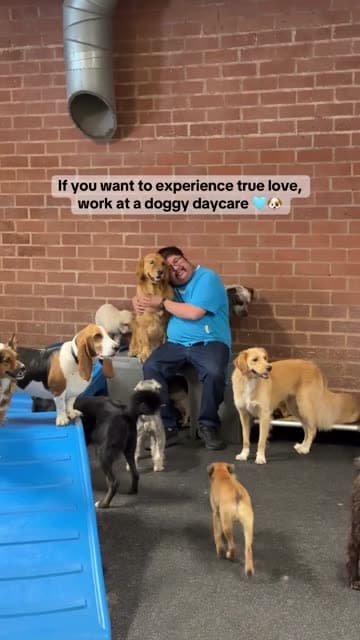
The photos with this post are real Fitdog moments from our Digi Board library — not staged AI art. Use them as a reminder that progress usually looks ordinary: supervised play, clear routines, and dogs learning at their own pace.
When to get extra support
If you are seeing pain signs, sudden behavior changes, or anything that feels unsafe, talk with a veterinarian or a qualified professional. Good advice leaves room for your dog’s personality and history.
If you want hands-on support with this, Fitdog can help through daycare, boarding, training, or enrichment — only when it fits your dog’s needs.